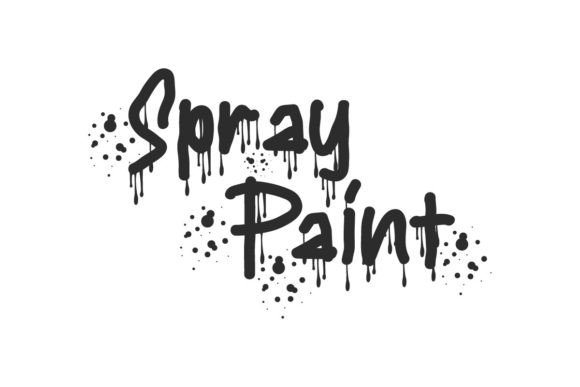
The Rise of Spray Paint: A Graffiti-Inspired Font for Modern Design
In the ever-evolving world of typography and design, new fonts continue to emerge, each carrying its own unique identity and purpose. One such font that has captured the attention of professionals and creatives alike is Spray Paint. Inspired by the raw energy and visual language of street art, this graffiti-style font brings the essence of urban expression into the realm of graphic design, branding, and creative projects.
What Is Spray Paint?
Spray Paint is a digital font that mimics the look and feel of traditional spray paint used in graffiti art. It captures the imperfect, dynamic strokes and textures that define hand-painted murals and tags found in city streets. Unlike conventional fonts, which are uniform and structured, Spray Paint embraces the chaotic beauty of street art, making it ideal for designs that aim to convey a sense of rebellion, authenticity, or edginess.
This font is not just a stylistic choice; it's a reflection of a cultural movement. Its creation draws from the rich history of graffiti as an art form, blending the spontaneity of freehand painting with the precision of digital typography. The result is a versatile tool that can be applied across various media, from print to digital platforms.
Why Spray Paint Is Gaining Attention
The growing interest in Spray Paint is no accident. It aligns with broader trends in both design and consumer behavior. In today’s fast-paced, visually driven market, brands and creators are constantly searching for ways to stand out. Spray Paint offers a fresh, eye-catching aesthetic that resonates with audiences who appreciate authenticity and originality.
Moreover, there is a rising appreciation for street culture in mainstream design. What was once considered subversive or niche is now embraced by fashion, advertising, and even corporate branding. This shift has made fonts like Spray Paint more than just a novelty—they are a statement.
For professionals in the creative industry, Spray Paint provides an opportunity to infuse their work with a sense of movement and vitality. Whether designing a poster, a product package, or a business card, the use of this font can add a layer of personality and character that traditional fonts may lack.
Applications of Spray Paint in Design
The versatility of Spray Paint makes it suitable for a wide range of applications. Here are some practical examples of how it can be used:
- Business Cards: Adding a touch of urban flair to business cards can help professionals make a memorable impression. Spray Paint can be used for names, titles, or logos to create a bold and unconventional look.
- Product Packaging: Brands looking to appeal to younger demographics often incorporate street-inspired visuals. Spray Paint can be used to label products, create taglines, or enhance packaging graphics.
- Posters and Flyers: In promotional materials, Spray Paint adds an energetic feel that can attract attention in crowded environments. It works particularly well for music festivals, art exhibitions, or community events.
- Wall Art and Murals: While Spray Paint is a digital font, it can also serve as inspiration for physical wall art. Designers and artists can use it as a reference for creating authentic-looking spray-paint effects on walls or canvases.
- Screen Printing: For those involved in screen printing, Spray Paint can be adapted into stencils or used digitally to create mock-ups before production.
Connecting Spray Paint to Broader Trends
The popularity of Spray Paint is closely tied to several larger developments in the creative and business worlds. One of these is the increasing demand for authenticity in branding. Consumers today are more skeptical of overly polished or generic marketing. They seek brands that reflect real values, experiences, and cultures. Spray Paint helps designers and marketers tap into this desire by offering a font that feels raw, unfiltered, and genuine.
Another trend is the rise of hybrid identities—the blending of different artistic styles and influences. In this context, Spray Paint represents a fusion of street art and modern typography. It bridges the gap between traditional craftsmanship and digital innovation, appealing to a generation that values both creativity and technology.
Additionally, the growth of the gig economy and the rise of freelancers have led to an increased need for tools that allow individuals to stand out in competitive markets. Spray Paint enables freelancers and entrepreneurs to differentiate their work, whether they're designing logos, creating social media content, or producing editorial layouts.
Practical Tips for Using Spray Paint Effectively
To get the most out of Spray Paint, consider the following tips:
- Balance with Clean Elements: While Spray Paint is bold and expressive, it should be balanced with other clean, structured elements to avoid overwhelming the viewer. Pair it with sans-serif fonts for contrast and readability.
- Experiment with Color: Spray Paint is often associated with black and white, but don’t be afraid to experiment with color. Vibrant hues can enhance the visual impact of your design.
- Use It Strategically: Reserve Spray Paint for key elements such as headlines or call-to-action buttons. Overusing it can dilute its effect and make your design appear cluttered.
- Consider the Medium: The way Spray Paint appears can vary depending on the medium. Test it on different surfaces or backgrounds to see how it performs in print versus digital formats.
The Future of Spray Paint in Design
As we move further into the digital age, the role of typography will continue to evolve. Fonts like Spray Paint represent a new frontier—one that merges the past with the present, the analog with the digital. As more industries embrace the aesthetics of street culture, the demand for fonts that reflect this style will only grow.
For designers, entrepreneurs, and marketers, Spray Paint is more than just a font—it’s a symbol of creativity, individuality, and the power of visual storytelling. By incorporating it into their work, professionals can connect with audiences on a deeper level, conveying messages that are both powerful and unforgettable.
Whether you're a seasoned designer or just starting out, exploring the possibilities of Spray Paint can open up new creative avenues and help you stay ahead of the curve in an ever-changing design landscape.