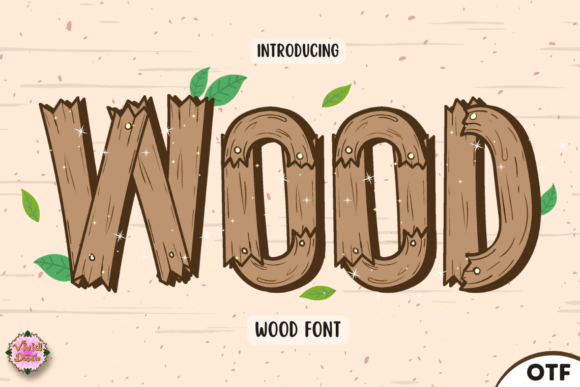
Discover the Charm of Wood: A Font Design Inspired by Nature
In a world filled with digital noise and synthetic aesthetics, there’s a growing desire to reconnect with the organic, the natural, and the authentic. This is where Wood, a font design inspired by Mother Nature herself, steps in. With its earthy aesthetics and raw beauty, Wood brings the essence of the wild outdoors into your creative projects, offering a versatile tool that enhances your artistic expression and captures the rustic elegance of nature.
Wood is more than just a font—it's an experience. Designed with care and attention to detail, it mimics the texture and feel of real wood grain, making it ideal for any project that seeks to evoke warmth, simplicity, and connection to the environment. Whether you're working on holiday themes, eco-inspired visuals, or designs longing for a touch of rustic charm, Wood can be the perfect addition to your toolkit.
What Is Wood?
Wood is a typographic design that draws inspiration from the natural world. Its characters are crafted to resemble the irregularities and textures found in real wood, giving each letter a unique, handcrafted feel. Unlike traditional fonts that often appear uniform and sterile, Wood embraces imperfection, making it a great choice for those who appreciate authenticity and character in their design work.
The font is designed to be versatile, allowing it to be used across a wide range of applications—from branding and packaging to web design and print media. Its adaptability makes it suitable for both modern and traditional settings, ensuring that it can seamlessly blend into any project while still maintaining its distinct identity.
Challenges and Goals in Design
Designers today face a variety of challenges when it comes to creating visually appealing content. One common issue is finding a font that stands out without being overdone. Many designers struggle to balance creativity with readability, especially when working on projects that require a specific aesthetic or theme.
Another challenge is meeting the demands of different audiences. For instance, a brand targeting eco-conscious consumers may need a font that reflects sustainability and natural values. Similarly, a designer working on a holiday-themed project might want something that feels warm and inviting, yet still maintains a professional look.
These challenges highlight the importance of having a font like Wood in your design arsenal. It not only helps overcome these obstacles but also allows you to meet your creative goals with ease and confidence.
How Wood Can Help You
Wood offers a solution to many of the challenges faced by designers. Its unique texture and natural appearance make it an excellent choice for projects that aim to evoke a sense of warmth and authenticity. Whether you're designing a logo, creating marketing materials, or developing a website, Wood can help bring your vision to life in a way that feels genuine and connected to the environment.
One of the key advantages of using Wood is its ability to enhance the visual appeal of your designs while maintaining readability. The font's subtle variations in stroke weight and texture create a dynamic look that adds depth and interest without compromising clarity.
Additionally, Wood is highly adaptable, making it suitable for both large-scale and small-scale projects. Its versatility ensures that it can be used effectively across various mediums, including digital platforms, print materials, and even signage.
Practical Applications and Outcomes
Wood is particularly well-suited for a range of practical applications. Here are a few examples of how it can be used effectively:
- Eco-Inspired Visuals: Wood is perfect for projects that focus on sustainability and environmental awareness. Its natural appearance aligns perfectly with the themes of eco-friendly design, helping to reinforce the message of your work.
- Holiday Themes: During the holiday season, Wood can add a warm and cozy feel to your designs. Whether you're creating festive cards, wrapping paper, or promotional materials, this font can help set the right tone.
- Rustic Elegance: If you're looking to infuse your designs with a touch of rustic elegance, Wood is an excellent choice. Its textured appearance gives your work a unique and sophisticated look that stands out from the crowd.
By incorporating Wood into your design workflow, you can achieve a variety of outcomes that enhance the overall quality and impact of your work. From improving readability to adding visual interest, this font has the potential to elevate your designs in meaningful ways.
Considerations for Different Users
While Wood is a versatile font, it's important to consider how different users may approach it based on their needs and preferences. For example, a graphic designer working on a branding project may use Wood as a primary font to create a strong visual identity that reflects the brand's values and personality.
On the other hand, a web developer might use Wood as a secondary font to add a touch of character to headings or call-to-action buttons without overwhelming the overall design. In either case, Wood offers a flexible solution that can be tailored to suit a wide range of design requirements.
Ultimately, the key to successfully using Wood lies in understanding its strengths and limitations. By experimenting with different styles, weights, and pairings, you can discover new ways to incorporate this font into your work and unlock its full potential.
Whether you're a seasoned designer or just starting out, Wood provides a powerful tool for expressing your creativity and connecting with your audience in a meaningful way. Embrace the charm of Wood, and let your creativity bloom like an untouched forest.