The Digital Clock: A Modern Essential for Timekeeping
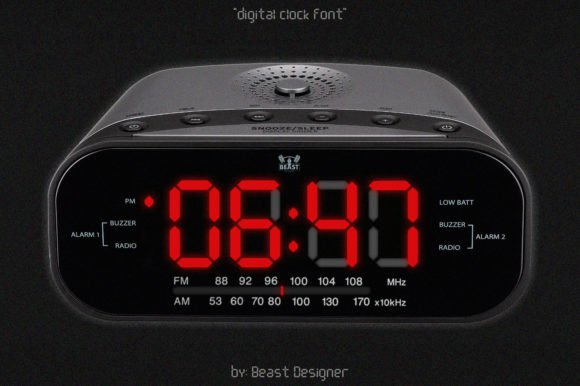
The Digital Clock is a staple in modern life, offering a precise and efficient way to track time. Unlike its analog counterpart, which uses hands and a dial, the digital clock displays the time using numbers, often in a format like HH:MM:SS. This design makes it easier to read at a glance, especially in low-light conditions or from a distance. The Digital Clock font, specifically, is a typeface engineered for clarity and readability in digital environments such as alarm clocks, watches, and electronic devices.
Understanding the Purpose of a Digital Clock
The primary purpose of a digital clock is to provide an accurate and easily readable display of the current time. It serves as a tool for individuals, businesses, and organizations that require precise time tracking. Whether used in homes, offices, or industrial settings, the digital clock ensures that users can quickly ascertain the time without confusion.
One of the key advantages of the Digital Clock font is its ability to enhance legibility on screens. The font's clean lines and bold numerals make it ideal for use in environments where quick recognition is essential. For instance, in medical facilities, transportation hubs, or emergency services, the Digital Clock font plays a crucial role in ensuring that time-related information is communicated effectively.
Features and Characteristics of a Digital Clock
A typical digital clock includes several features that contribute to its functionality and usability:
- Clear Numerals: The Digital Clock font is designed with large, distinct numbers that are easy to read even from a distance.
- Minimalistic Design: The font's modern and minimalistic style avoids unnecessary embellishments, making it suitable for both indoor and outdoor applications.
- High Contrast: Many digital clocks use high-contrast color schemes (such as black on white or red on black) to ensure visibility under various lighting conditions.
- Time Format Options: Some digital clocks offer multiple time formats, including 12-hour and 24-hour displays, to cater to different user preferences.
- Alarm and Timer Functions: In addition to displaying the current time, many digital clocks include alarm and timer features, enhancing their utility for daily tasks and schedules.
Where Can a Digital Clock Be Used?
The versatility of the Digital Clock font allows it to be used in a wide range of applications. Here are some common scenarios where a digital clock proves invaluable:
- Home Use: Digital clocks are commonly found in living rooms, bedrooms, and kitchens. They help individuals manage their daily routines, set alarms, and stay on schedule.
- Office Environments: In professional settings, digital clocks are used to keep employees informed about the time, ensuring punctuality and productivity.
- Public Spaces: Airports, train stations, and shopping malls often use digital clocks to inform visitors about departure times, event schedules, and other important information.
- Industrial Applications: Factories, warehouses, and manufacturing plants rely on digital clocks to coordinate shifts, monitor equipment, and maintain operational efficiency.
- Mobile Devices: Smartphones, tablets, and wearable technology incorporate digital clocks into their interfaces, providing users with real-time access to the time.
In each of these contexts, the Digital Clock font plays a vital role in ensuring that time-related information is conveyed clearly and efficiently.
Who Benefits from Using a Digital Clock?
The benefits of a digital clock extend to a diverse audience, including:
- General Consumers: Everyday users who need to keep track of time for personal or household purposes.
- Professionals: Individuals in fast-paced industries who rely on precise time management to meet deadlines and maintain productivity.
- Business Owners: Entrepreneurs and managers who need to coordinate schedules, track employee hours, and ensure timely operations.
- Creators and Designers: Those involved in graphic design, web development, or typography who may use the Digital Clock font in their projects for a clean, modern look.
- Online Users: People who interact with digital platforms, apps, and websites that utilize the Digital Clock font for time displays.
Strengths and Considerations of the Digital Clock
The Digital Clock offers several strengths that make it a preferred choice over traditional analog clocks:
- Accuracy: Digital clocks are highly accurate, often synchronized with atomic clocks or internet-based time servers.
- Readability: The Digital Clock font is optimized for readability, making it easy to interpret even in challenging lighting conditions.
- Functionality: Many digital clocks come with additional features such as alarms, timers, and date displays, enhancing their usefulness.
- Space Efficiency: The compact design of digital clocks allows them to be placed in small spaces without compromising visibility.
However, there are also considerations to keep in mind when choosing a digital clock:
- Power Dependency: Most digital clocks require electricity or batteries, which means they may not function during power outages.
- Visual Fatigue: Prolonged exposure to bright digital displays may cause eye strain for some users.
- Limited Aesthetic Appeal: While the Digital Clock font is functional, it may lack the visual appeal of more decorative clock designs.
Real-World Scenarios and Applications
To better understand the practicality of the Digital Clock, let's explore a few real-world examples:
Scenario 1: Home Automation System
A smart home system uses a digital clock to synchronize lighting, heating, and security systems. The Digital Clock font ensures that all time-related functions are displayed clearly, allowing homeowners to manage their environment efficiently.
Scenario 2: School Timetable Display
Schools often use large digital clocks to display class schedules and exam times. The Digital Clock font is chosen for its clarity, ensuring that students and teachers can easily read the time from a distance.
Scenario 3: Restaurant Reservation App
A restaurant app uses the Digital Clock font to display wait times and reservation slots. This helps customers estimate how long they will need to wait before being seated, improving the overall dining experience.
Evaluating the Suitability of a Digital Clock
When considering whether a digital clock is right for your needs, it's important to evaluate several factors:
- Purpose: What is the primary use of the clock? Is it for personal timekeeping, professional scheduling, or public display?
- Environment: Will the clock be used indoors or outdoors? Does it need to be visible from a distance or in low-light conditions?
- Design Preferences: Do you prefer a minimalist look, or would you like something more decorative?
- Budget: Are you looking for a basic model or one with advanced features like Wi-Fi connectivity or voice control?
- Reliability: How important is battery life or power backup in case of an outage?
By carefully considering these factors, you can choose a digital clock that best meets your specific requirements.
Conclusion: Embracing the Digital Clock
The Digital Clock has become an indispensable part of modern life, offering a reliable and efficient way to track time. With the Digital Clock font at its core, it ensures that time-related information is presented in a clear, legible manner. Whether used in homes, offices, or public spaces, the digital clock continues to evolve to meet the needs of users across different industries and lifestyles.
As technology advances, the Digital Clock will likely continue to play a central role in how we perceive and manage time. Its simplicity, accuracy, and adaptability make it a valuable tool for anyone seeking to stay on schedule in today's fast-paced world.