Graffiti Comic: A Strategic Tool for Bold and Functional Design
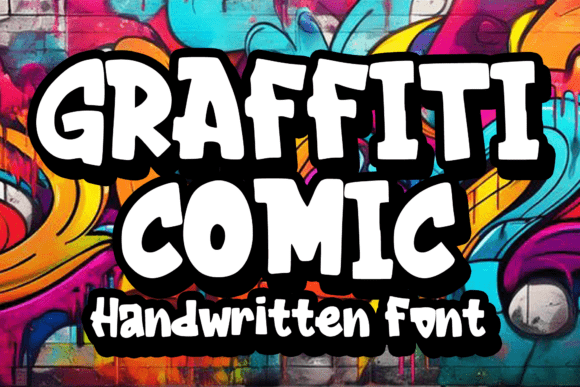
Graffiti Comic is more than just a font—it’s a strategic design element that bridges the gap between street culture and professional branding. Inspired by the raw energy of 90s graffiti and the playful aesthetics of cartoons, this versatile display font brings a unique visual language to any project. Whether you're designing t-shirts, book covers, posters, or digital banners, Graffiti Comic can elevate your creative output with a bold and fun vibe that resonates across audiences.
Understanding the Strategic Value of Graffiti Comic
At its core, Graffiti Comic is a display font designed to capture attention. Its stylized letterforms, reminiscent of urban art and comic book typography, make it ideal for projects where impact and memorability are key. This font isn’t just about aesthetics; it's about creating a visual identity that communicates confidence, creativity, and a sense of movement.
For entrepreneurs and marketers, the strategic use of Graffiti Comic can reinforce brand personality. It’s particularly effective in industries that thrive on innovation, youth culture, or edgy creativity—such as fashion, entertainment, lifestyle brands, and educational materials targeting younger demographics.
When to Use Graffiti Comic for Maximum Impact
The versatility of Graffiti Comic means it can be used in a variety of contexts, but knowing when to apply it is crucial. Here are some scenarios where it shines:
- T-shirt designs: Graffiti Comic adds an instant edge to apparel, making it perfect for streetwear brands or niche collectibles.
- Book covers and magazine layouts: The font’s dynamic feel works well for titles that aim to stand out on a shelf or in a digital feed.
- Posters and banners: Its bold nature ensures readability from a distance, making it ideal for promotional materials.
- Greeting cards and stickers: Adds a personal, fun touch to everyday items, appealing to both children and adults who appreciate whimsy.
However, it’s important to consider context. Graffiti Comic may not be suitable for formal documents, legal texts, or anything requiring strict professionalism. Always align its use with the tone and purpose of your communication.
Strategic Planning for Using Graffiti Comic
Integrating Graffiti Comic into your design workflow requires thoughtful planning. Here’s how to approach it strategically:
- Define your objective: Are you aiming to attract attention, evoke emotion, or establish a brand voice? Clarifying your goal will guide your choice of typography.
- Consider your audience: Graffiti Comic appeals to those who value creativity and a youthful spirit. If your target demographic includes older professionals or academics, it may need to be balanced with more traditional fonts.
- Test in different formats: Experiment with Graffiti Comic in print and digital media to see how it performs across various mediums and screen resolutions.
- Use it sparingly: As a display font, Graffiti Comic should be used for headings or focal points rather than body text. Overuse can dilute its impact and reduce readability.
By following these steps, you ensure that Graffiti Comic enhances rather than distracts from your message.
Risks of Misusing Graffiti Comic
While Graffiti Comic offers creative potential, there are risks associated with its misuse. One common pitfall is applying it inappropriately—for example, using it for corporate reports or academic papers where a more conservative style is expected. This can confuse your audience or undermine your credibility.
Another risk is overusing the font without considering legibility. Graffiti Comic’s stylized forms may be difficult to read at smaller sizes or in low-resolution environments. Always test your designs across different platforms and devices before finalizing them.
Additionally, relying solely on Graffiti Comic without complementing it with other fonts can limit your design’s effectiveness. Pair it with clean sans-serif or serif fonts to create balance and hierarchy in your layout.
Practical Examples of Graffiti Comic in Action
Let’s explore real-world examples of how Graffiti Comic has been successfully applied:
- Brand identity: A startup selling retro-inspired streetwear used Graffiti Comic for their logo and packaging. The result was a cohesive look that immediately communicated their brand’s ethos of rebellion and creativity.
- Event promotion: A music festival poster utilized Graffiti Comic for the event name and artist listings, capturing the energetic atmosphere of the event while ensuring visibility from a distance.
- Educational materials: A children’s book publisher incorporated Graffiti Comic for chapter titles and illustrations, making the content more engaging for young readers.
These examples demonstrate how Graffiti Comic can be tailored to different industries and purposes, provided it’s used with intention and awareness of context.
Long-Term Considerations for Designers and Marketers
When considering long-term use of Graffiti Comic, think beyond aesthetics. Evaluate how it contributes to your brand’s overall strategy. Does it support your positioning in the market? Is it consistent with your visual identity across all touchpoints?
Also, consider how Graffiti Comic interacts with your color palette and imagery. A high-contrast color scheme can enhance the font’s visibility, while complementary graphics can reinforce its playful tone. These details matter in creating a unified and memorable brand experience.
Finally, keep in mind that trends evolve. While Graffiti Comic is rooted in 90s street culture, it’s important to ensure that its use remains relevant and doesn’t date your designs prematurely. Regularly review your visual assets to maintain freshness and alignment with current design standards.
Conclusion: Leveraging Graffiti Comic for Better Results
Graffiti Comic is a powerful tool when used with strategy and purpose. It brings a unique blend of energy and creativity to your designs, helping you stand out in a crowded marketplace. Whether you’re an entrepreneur, marketer, or designer, understanding how to apply this font effectively can lead to stronger brand recognition, improved customer engagement, and more impactful visual storytelling.
By integrating Graffiti Comic thoughtfully into your projects, you not only enhance your creative output but also build a more compelling narrative that resonates with your audience. Let it be a strategic asset rather than a random choice, and watch your designs come to life with boldness and clarity.