Texture Culture Font: A Bold Choice for Modern Design
If you're looking for a font that stands out with its unique texture and strong, masculine style, Texture Culture might be exactly what you need. This cool texture sans serif font brings a fresh perspective to typography, making it an excellent addition to any creative project.
What Is Texture Culture?
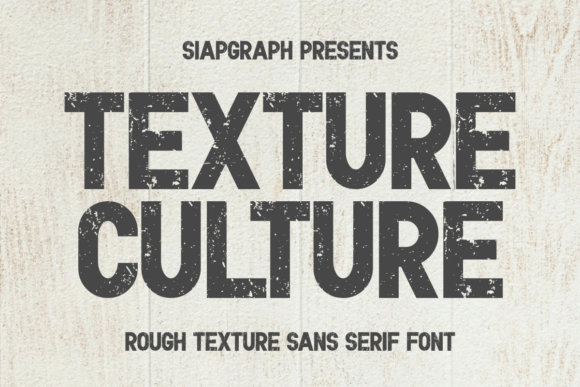
Texture Culture is a modern sans serif font that incorporates subtle textural elements into its design. Unlike traditional fonts that focus solely on clean lines and uniform shapes, this font adds depth and character through its textured strokes. The result is a visually striking typeface that feels both contemporary and grounded.
Its manly style gives it a rugged yet refined look, making it suitable for a wide range of applications. Whether you're designing a logo, creating marketing materials, or working on a personal project, Texture Culture can add a touch of personality and visual interest.
Why Choose Texture Culture?
There are several reasons why Texture Culture could be the right choice for your next project:
- Versatility: It works well in both digital and print formats, from websites to posters.
- Unique Aesthetic: The texture adds dimension without overwhelming the design.
- Professional Appeal: Its bold, clean lines make it ideal for branding and professional use.
For designers and creators who want to stand out, Texture Culture offers a way to do so without sacrificing readability or professionalism.
Where Can You Use Texture Culture?
The beauty of Texture Culture lies in its adaptability. Here are some common uses where this font shines:
- Branding and Logos: The font's strong presence makes it great for logos that need to convey strength and reliability.
- Marketing Materials: Brochures, flyers, and business cards can benefit from the font's distinctive texture.
- Web Design: It can be used for headings, buttons, or call-to-action sections to draw attention.
- Print Projects: From invitations to packaging, the font adds a tactile feel that enhances the overall design.
No matter the medium, Texture Culture can elevate your work and help it leave a lasting impression.
Real-World Examples
Imagine you're designing a website for a fitness brand. Using Texture Culture for headlines can give the site a strong, masculine vibe that aligns with the brand's identity. Similarly, if you're creating a poster for a music festival, this font can add a sense of energy and movement to the design.
Even in more casual settings, like social media posts or personal blogs, Texture Culture can add a unique flair that sets your content apart.
Things to Consider Before Using Texture Culture
While Texture Culture has many benefits, there are a few things to keep in mind before using it:
- Legibility: While the texture adds visual interest, ensure it doesn't compromise readability, especially in smaller sizes.
- Color Contrast: Pairing the font with the right colors can enhance its appearance and ensure it stands out against backgrounds.
- Context Matters: Not every project will suit this font. Consider the tone and message of your content before applying it.
By keeping these factors in mind, you can use Texture Culture effectively and confidently in your designs.
Getting Started with Texture Culture
If you're new to using Texture Culture, start by experimenting with different layouts and color combinations. Try using it for headlines or titles where its boldness can shine. As you become more comfortable with the font, you'll find new and creative ways to incorporate it into your projects.
Many design software programs and online tools support this font, so you can easily access it and begin exploring its potential.
Texture Culture is more than just a font—it's a tool that can help you express your creativity and bring your ideas to life in a unique and impactful way. Whether you're a designer, marketer, or hobbyist, this font offers a fresh approach to typography that can enhance your work and captivate your audience.